Improved Research Accuracy
Researchers can now access the most up-to-date patent data without re-running searches, minimizing the risk of missed discoveries.
Implemented a monitor feature that tracks database updates and automatically notifies users about new patent sequences matching their saved searches.
reduction in missed patent updates
reduction in manual search time
accuracy of automated notifications


The client approached Azati with the request to develop an automated solution that would notify researchers about newly added patent sequence data relevant to their previous searches. This solution was aimed at eliminating the manual process of tracking updates, ensuring that researchers receive accurate, timely, and comprehensive information, and reducing the risk of missing critical data in their intellectual property research.
Due to 24-hour update cycles on the SequenceBase Research Portal, users often missed new patent documents and sequences relevant to their ongoing research. Azati addressed this by introducing a monitoring system that proactively tracks and notifies users of relevant updates.
Researchers had to perform repeated manual searches to find newly added sequences matching their queries, which was time-consuming and inefficient. Azati proposed and implemented a solution with automated recurring search checks and user notifications.
Without intelligent filtering, frequent alerts can overwhelm users. Azati designed a smart notification engine that only sends alerts when genuinely relevant results appear, reducing alert fatigue.
Researchers needed a clear history of sequence updates to verify their work. Azati implemented a history log showing previous search results for transparency and reproducibility.
Conducted an in-depth study of how researchers interact with the SequenceBase portal, including their search patterns, pain points, and typical workflow. This step helped optimize notification timing and ensure that alerts would be relevant and actionable.
Designed the monitor feature to allow users to configure alerts according to their preferences. Researchers can select alert frequency, choose to see only new results, and customize notification types, ensuring the feature aligns with their workflow.
Developed a robust backend mechanism that continuously tracks updates in the patent sequence database. It compares new data with previously saved searches to identify relevant additions, ensuring no critical updates are overlooked.
Implemented intelligent filtering so that users are notified only when relevant updates appear. This minimizes alert fatigue and guarantees that each notification carries actionable value.
Maintains a complete history of search results and updates. Researchers can view the state of results at previous points in time, ensuring reproducibility, transparency, and compliance for scientific work.
Integrated an automated email system to deliver alerts directly to users. This ensures researchers are informed in real-time, without needing to constantly check the portal, saving time and increasing efficiency.
Bring your complexity. We'll bring the plan. Select a convenient slot to start a conversation with our experts.
Schedule a callTracks new patent sequences and automatically alerts users when matches are found with their saved searches. Reduces the risk of missing critical updates and ensures researchers always have access to the latest relevant data.
Allows users to configure alert frequency, choose to see only new results, and access historical data from previous updates. Provides full control over the monitoring process to match individual research workflows.
Sends targeted email alerts whenever relevant sequences are added, eliminating the need to manually check the portal and ensuring timely access to critical information.
Continuously monitors updates in the patent database and compares them to saved searches, highlighting only relevant results. Ensures researchers are informed of new data without unnecessary notifications.
Researchers can now access the most up-to-date patent data without re-running searches, minimizing the risk of missed discoveries.
The automated process reduced manual search time, allowing scientists to focus more on analysis and innovation.
Enhanced user satisfaction through a smart, responsive, and customizable research experience.
AI platform transforming patent and sequence data into actionable insights with advanced AI modules.

AI-powered calorie counting app estimating dish calories through image analysis.
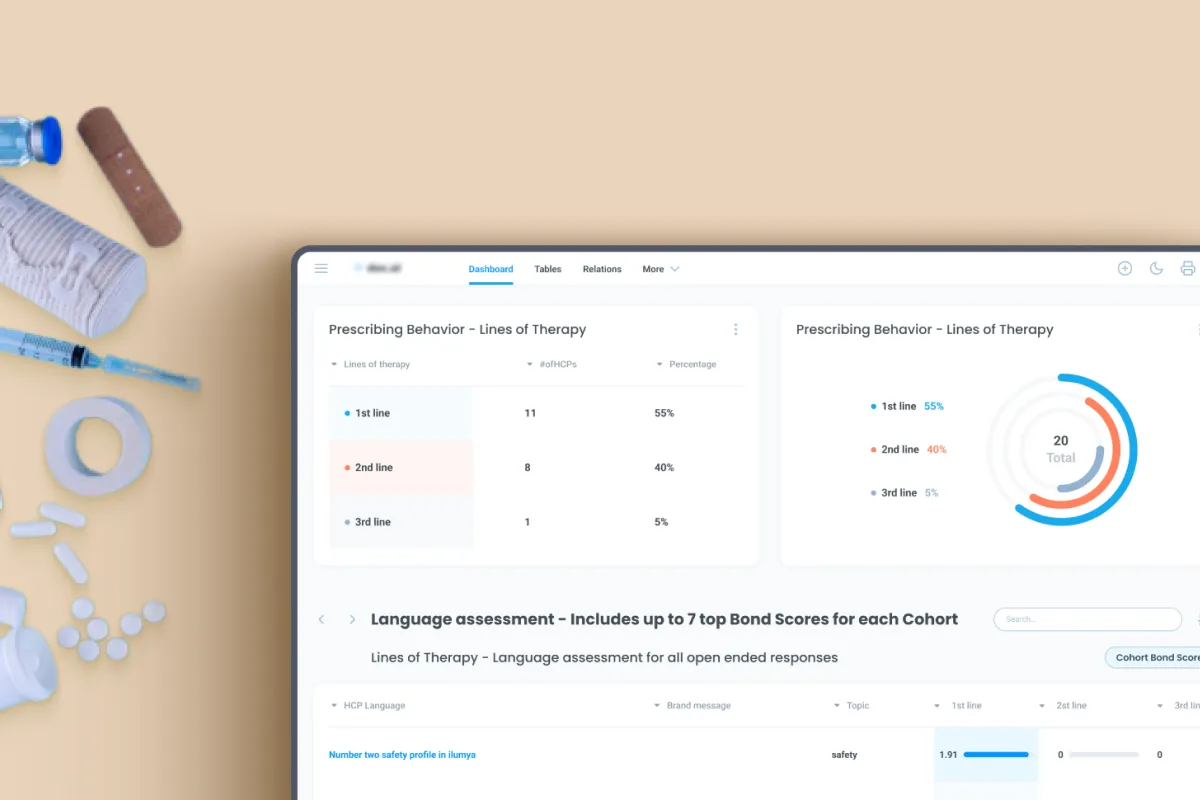
AI and Computer Vision solution for automated pharmaceutical marketing assessment reports.

Merged healthcare solutions with enhanced UI and optimized business processes.

Online data source for sequence information and IP search needs.

ML-powered semantic search engine for complex scientific datasets.
Last updated