Automated Client Benefits
Free service packages are applied automatically based on goal fulfillment, reducing manual errors and ensuring consistent application.
Azati helped a leading financial company enhance its online banking platform by implementing features to calculate client benefits and provide free services, based on the customer's goals. The solution included backend development for both mobile and web banking applications, focused on improving customer experience through an advanced 'tariff calculator' system.
faster benefit calculations
automated service assignment
increase in customer satisfaction


The goal of this project was to develop a backend solution for the bank’s mobile and web banking applications, specifically the ‘tariff calculator’ system. This system calculates clients’ benefits and grants free services when users meet specific goals, such as making transactions, saving a particular amount, or receiving salary payments.
Due to the bank’s infrastructure, developers had to switch between two VPNs, one for internal development and another for the bank’s mailing system. This made communication with on-site teams complex and increased development time. Azati implemented a structured remote workflow and careful sprint planning to mitigate delays and maintain productivity.
Integrating new microservices into the existing banking system, while maintaining synchronous communication between multiple legacy and external systems, was challenging. Azati proposed a modular architecture with dedicated tariff calculator, queue, configuration, and tariffs catalog microservices, ensuring seamless integration and consistent performance.
Azati’s team of 4 developers, a business analyst, a product owner, and a quality assurance engineer worked closely with the customer’s team to ensure smooth remote work and effective collaboration.
Two-week sprints included planning, development, testing, demonstrations, and retrospectives to iterate quickly and maintain alignment with client goals.
Separate microservices were developed for tariff catalog management, tariff calculation, queue processing, and configuration management to improve maintainability, scalability, and reliability.
Detailed sprint planning and test-driven development minimized risks from VPN switching, ensured accurate calculations, and maintained system stability.
Bring your complexity. We'll bring the plan. Select a convenient slot to start a conversation with our experts.
Schedule a callThe backend system is divided into distinct microservices, each responsible for a specific domain like tariffs catalog, tariff calculation, queue management, or configuration. This separation allows independent scaling, easier maintenance, and flexibility for future updates or feature expansion.
A core component that aggregates incoming user data, calculates progress toward defined goals, and determines eligibility for free services. It automates the process of benefit allocation, ensuring accurate and timely provision of services according to the bank’s tariff plans.
Handles synchronous communication between different microservices and external systems, ensuring that events, requests, and updates are reliably processed in real time. This microservice acts as the backbone for smooth interaction across the banking platform.
Stores all configuration settings for the platform’s microservices. Provides a centralized and secure way to manage backend configurations, enabling quick updates, consistent settings across environments, and simplified maintenance.
Free service packages are applied automatically based on goal fulfillment, reducing manual errors and ensuring consistent application.
Users can clearly see available packages, track their progress, and receive services promptly, enhancing engagement and satisfaction.
Microservices communicate seamlessly with existing banking infrastructure and external systems.
Reduced backend complexity and improved maintainability for future updates.

Production-grade algorithmic trading platform for a US prop firm: 5x faster backtesting, 2x PnL growth, and drawdown cut from 35% to 21% after ML-based risk management went live.

Azati stabilized and extended a broken Pact Broker, shipped enterprise features, and brought a stalled contract testing initiative to production.

AI orchestration layer that automates banking claims and loan amendment workflows across legacy systems while maintaining compliance and human oversight.
Automated problem management system using Jira with dashboards and real-time insights.
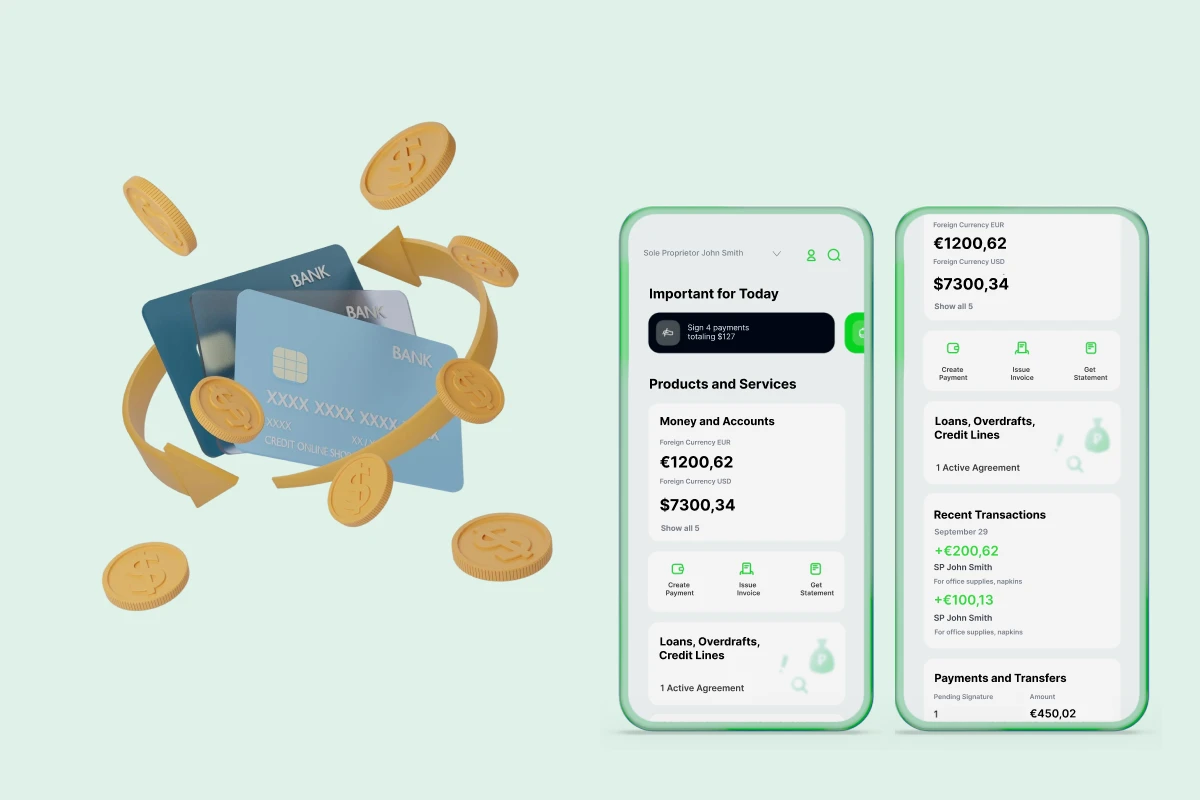
Modern banking system for SMEs with multi-channel payments and financial reporting.
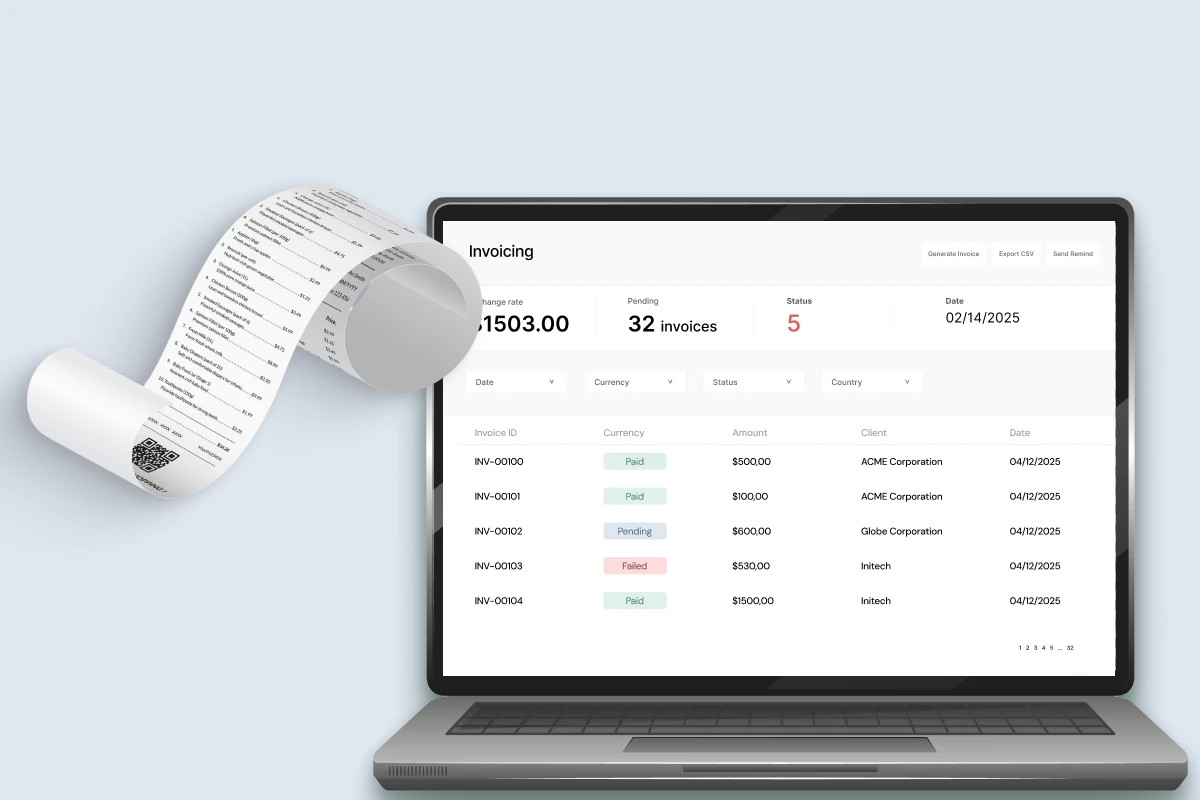
Billing management system with payment gateway integration and automated invoicing.
Last updated