Improved Arabic User Experience
Native-quality right-to-left support ensured smooth onboarding for Arabic-speaking traders.
Azati helped the customer enrich the cryptocurrency trading platform’s user interface, accurately translate a considerable number of components into Arabic, and contribute to the development of the new version of the UI. The team focused on localization to adapt the platform for right-to-left languages and optimize the user experience.
reduction in UI kit conflicts across project branches
faster environment switching after architecture improvements
higher engagement among Arabic-speaking users after RTL adaptation


The client approached Azati because their crypto trading interface had become overwhelming and inefficient for active investors: overloaded screens, fragmented asset information, slow user flows, and unclear data visualization were causing traders to hesitate, miss market opportunities, and ultimately reduce trading activity. They needed a redesigned, faster, and more intuitive UI that would help users execute decisions with confidence and react instantly to market movements.
Market data, charts, and trading controls were scattered across multiple screens, forcing traders to constantly switch contexts during time-sensitive actions, which led to slower reactions and missed market opportunities; to address this, Azati proposed reorganizing the information architecture and consolidating key elements into a unified, high-focus layout.
The interface contained inconsistent hierarchy, overloaded data blocks, and duplicated metrics that made it difficult for users to quickly identify crucial insights, increasing cognitive strain during active trading, and Azati resolved this by redesigning the visual system with clearer prioritization, improved grouping, and reduced noise.
Core operations such as buying, selling, switching assets, and adjusting strategies required too many steps, slowing execution during volatile periods and frustrating active traders, so Azati streamlined key flows, minimized user actions, and redesigned interaction patterns for faster execution.
User behavior analysis showed that critical controls were located in low-attention areas while secondary elements consumed primary space, reducing tool effectiveness, and Azati improved usability by relocating controls, optimizing spacing, and aligning layout structure with natural attention hotspots.
Conducted a full review of user behavior patterns using heatmaps and session analytics to identify friction points, low-attention areas, inefficient click paths, and UI elements that failed to support trader decision-making during high-volatility periods.
Reorganized the layout of market data, asset details, and trading controls to create a cleaner hierarchy that reduces cognitive load and helps users instantly focus on the most important indicators and actions.
Refactored key user flows, including order placement, asset switching, and chart interaction, to reduce steps, eliminate redundant elements, and minimize reaction time for traders.
Introduced an updated design system with scalable components, consistent visual language, high-contrast data visuals, and responsive behavior optimized for desktop trading environments.
Ran iterative testing with active traders to validate clarity, speed, and usability improvements, ensuring each design change aligned with real-world trading behavior and decision speed requirements.
Bring your complexity. We'll bring the plan. Select a convenient slot to start a conversation with our experts.
Schedule a callProvides a fully reorganized asset examination view with clearer metrics hierarchy, consolidated market information, and simplified navigation, ensuring traders can evaluate opportunities rapidly without switching screens.
Streamlines critical trading tasks such as buying, selling, asset switching, and reviewing signals into fewer steps, minimizing hesitation and eliminating redundant interactions that previously slowed users.
Uses real user behavior analytics to reposition elements, adjust spacing, and eliminate low-impact areas, ensuring the interface aligns with actual attention patterns and trader habits.
Introduces a refreshed, high-contrast visual design that enhances clarity, reduces screen noise, and supports long sessions of active trading without fatigue.
Native-quality right-to-left support ensured smooth onboarding for Arabic-speaking traders.
Refactored components eliminated conflicts, improved rendering logic, and increased UI reliability.
Faster builds, optimized charts, and smoother UI behavior due to architecture improvements.
Core redesign enabled the platform to scale globally across multiple exchanges.
Contributions accelerated development of the upcoming major interface release.

Production-grade algorithmic trading platform for a US prop firm: 5x faster backtesting, 2x PnL growth, and drawdown cut from 35% to 21% after ML-based risk management went live.

Azati stabilized and extended a broken Pact Broker, shipped enterprise features, and brought a stalled contract testing initiative to production.
AI orchestration layer that automates banking claims and loan amendment workflows across legacy systems while maintaining compliance and human oversight.
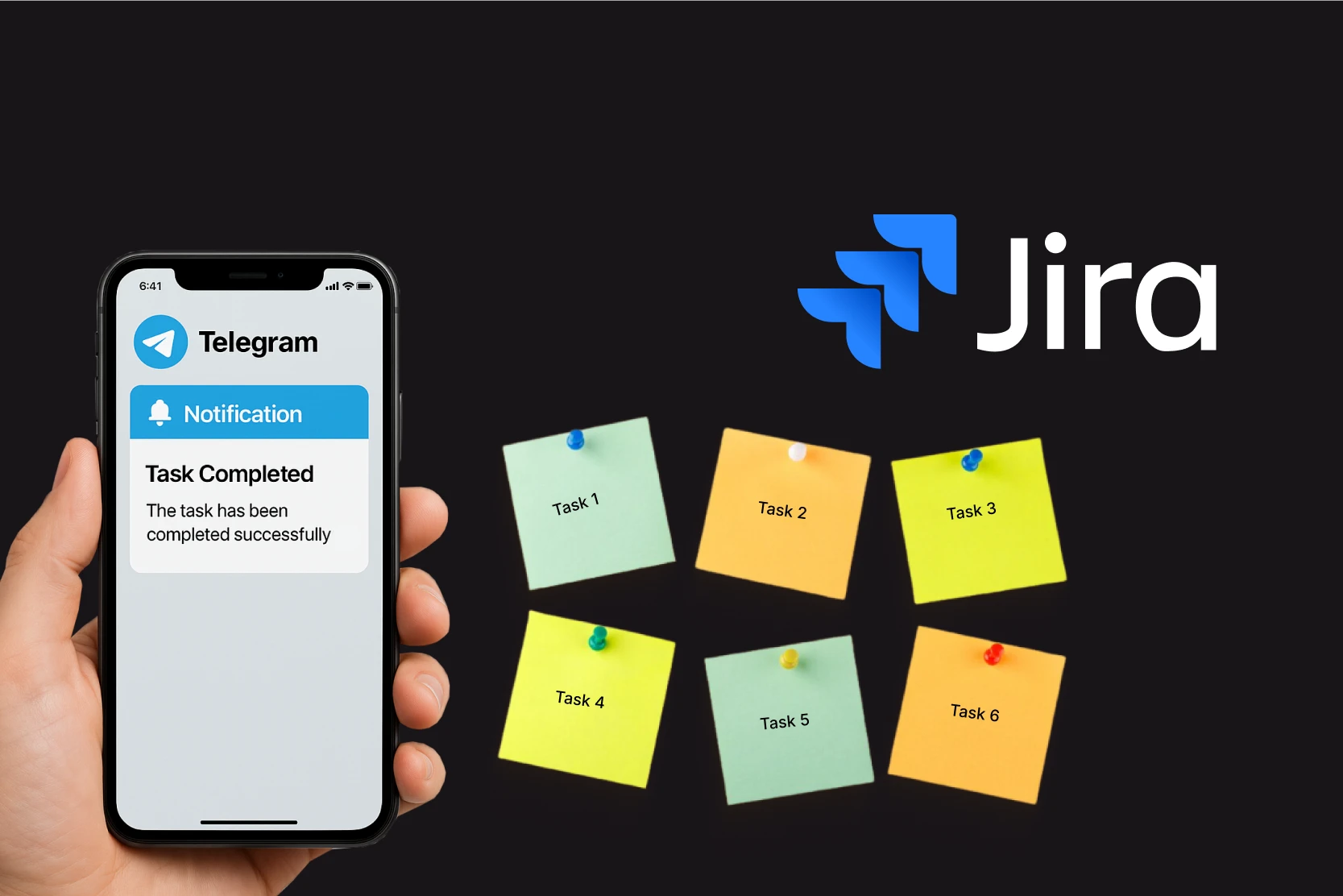
Automated problem management system using Jira with dashboards and real-time insights.
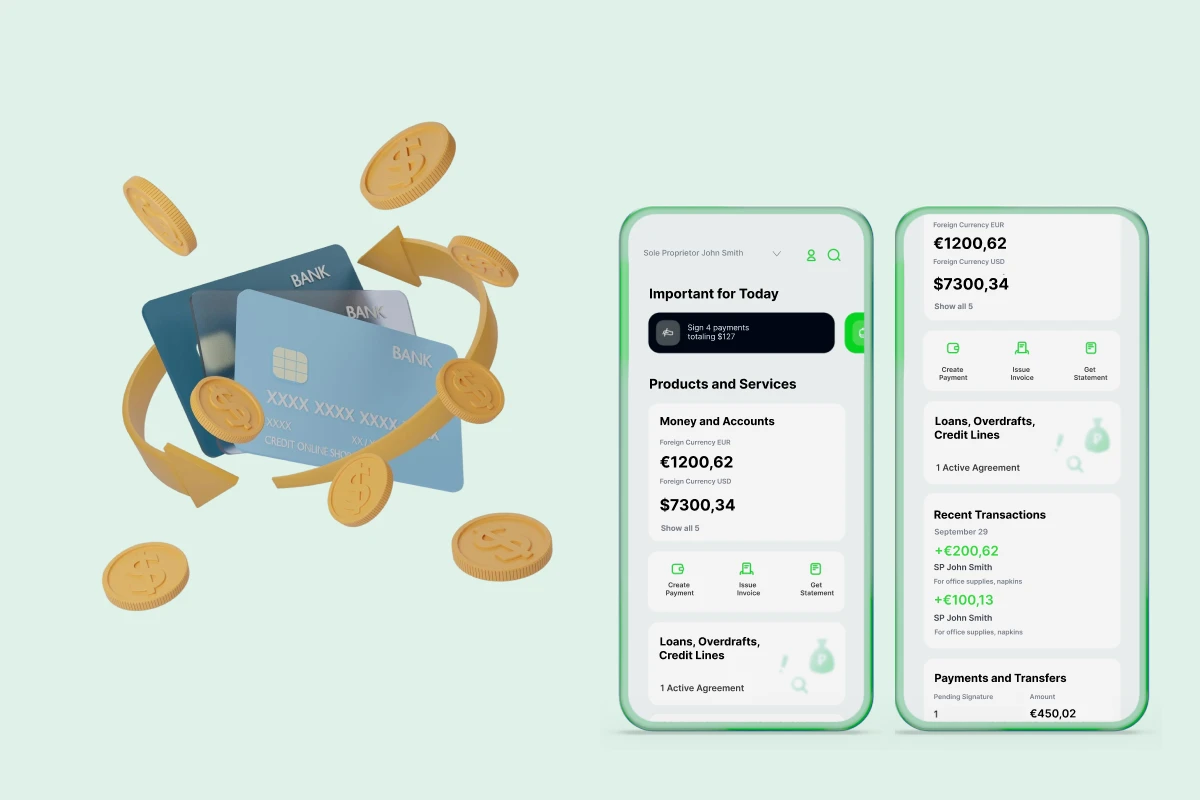
Modern banking system for SMEs with multi-channel payments and financial reporting.
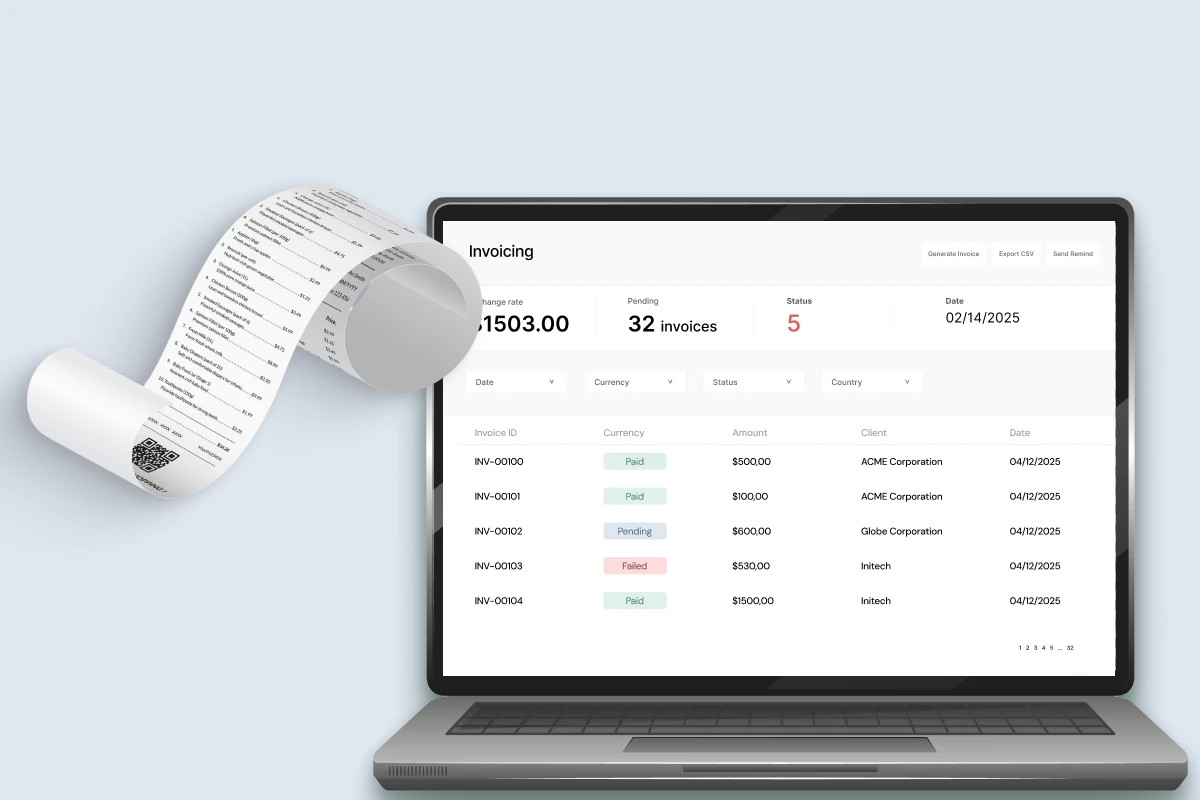
Billing management system with payment gateway integration and automated invoicing.
Last updated