Improved Functionality
The platform’s improved functionality and successful third-party service integrations resulted in faster and more reliable shipping.
Azati helped a European startup build a custom logistics platform aimed at connecting small local shipping companies with retailers and manufacturers. The platform offers real-time goods tracking and ensures that buyers receive their products in perfect condition. The customer’s goal was to enhance the platform’s functionality and integrate third-party services to improve shipping efficiency.
reduction in shipment delays
reduction in bug-related incidents post-launch
improvement in real-time tracking accuracy


The customer had built a partially working prototype of a logistics platform but needed to enhance functionality, integrate third-party services, fix blockers, and finalize the MVP. The goal was to extend capabilities, optimize performance, stabilize integrations, and ensure the platform could scale across multiple regions.
The external services the customer selected used different technologies and provided limited documentation. This significantly complicated integration and required reverse-engineering to understand request/response structures.
The team initially lacked logistics industry experience. They needed time to understand logistics workflows, terminology, delivery pipelines, and domain-specific business rules before contributing effectively.
Third-party modules frequently changed input/output structures, and their internal logic was not documented. Testing was challenging due to a distributed microservices & serverless architecture, where one module’s update often broke others.
Our team quickly adapted to the customer’s workflow and processes by participating in all internal meetings. Initial research helped us understand how the third-party modules functioned, and we then joined the project as full members, working remotely.
We focused on improving the platform’s existing functionality, including bug fixing, performance optimization, and integrating third-party services. The development process followed modern project management methodologies and included extensive testing to ensure stability.
The platform was designed using a mix of microservices and serverless functions, hosted in the cloud to ensure scalability and cost-efficiency. Our engineers integrated multiple services, including data processing and visualization tools, to enhance the platform's overall functionality.
Bring your complexity. We'll bring the plan. Select a convenient slot to start a conversation with our experts.
Schedule a callThe Core API serves as the backbone of the platform, managing all incoming and outgoing data from external services, third-party modules, and internal microservices. It ensures that every request, response, and data transformation occurs reliably, providing a unified interface for developers and facilitating seamless communication across the system. The API also handles error reporting, data validation, and integration logic for diverse technologies used by third-party providers.
The ETL (Extract, Transform, Load) Service automates the processing of large amounts of incoming logistics data, including CSV uploads, JSON payloads, and API responses from carriers. It extracts relevant information, transforms it into standardized formats, and loads it into cloud-based storage and processing pipelines. By offloading complex data manipulations to cloud functions, this module reduces server load and ensures consistent data availability for analytics and operational services.
The Front-End Services are responsible for creating user-facing interfaces for multiple roles, including brokers, carriers, operators, and administrators. Built with React and Vue.js, these services manage user input, authentication, access control, and real-time updates from the backend. They provide intuitive dashboards, interactive forms, and responsive visualizations that allow users to monitor shipments, update statuses, and generate reports, ensuring a seamless and efficient user experience.
This service acts as a central hub for storing and processing metadata and operational data. It enables advanced analytics, custom reporting, and visualization for business users and product teams. By leveraging machine learning features, the service can provide predictive insights, detect anomalies in shipping processes, and generate actionable reports that improve decision-making and operational efficiency across logistics workflows.
Machine Learning modules are integrated into various parts of the platform to enhance decision-making and optimize operations. These features analyze historical and real-time data to predict delivery times, optimize routing, identify inefficiencies, and proactively detect potential issues. By embedding intelligence into logistics workflows, the platform improves performance, reduces delays, and supports better operational planning for carriers and retailers.
The platform’s improved functionality and successful third-party service integrations resulted in faster and more reliable shipping.
The solution's scalability, flexibility, and cloud architecture reduced maintenance costs and allowed the platform to easily adapt to increasing demand.
The platform’s real-time tracking system greatly enhanced customer satisfaction and ensured timely deliveries.
Our engineers worked proactively to fix critical issues and improve system performance, contributing to faster delivery and a smoother user experience.
The project helped our team deepen its technical expertise, especially in modern technologies and industry-specific tools, making them well-prepared for future enterprise-level projects.
The customer was highly satisfied with the results and now views outsourcing as a viable and efficient solution, thanks to our team’s ability to seamlessly integrate into the project and deliver high-quality work.
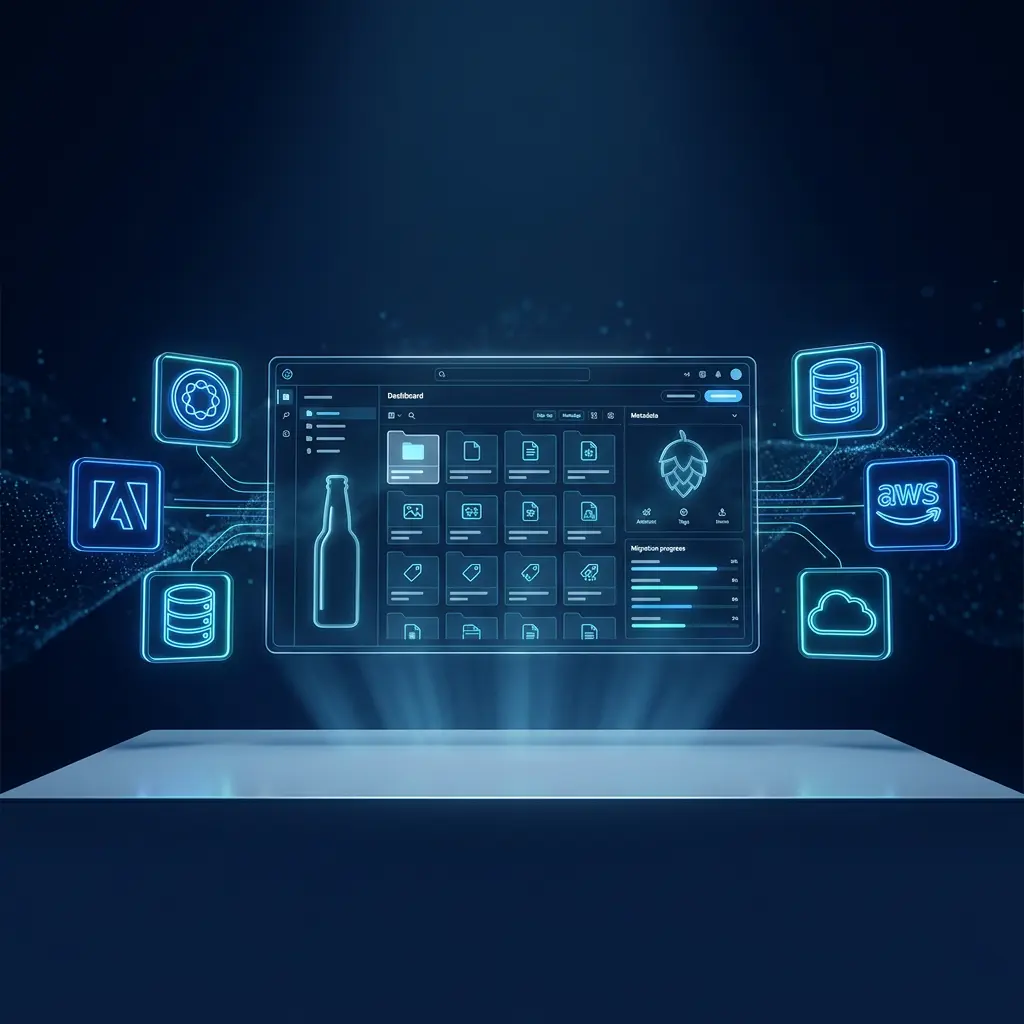
1.5 years of Adobe AEM support and full DAM vendor migration for a 30K+ employee beverage company — 10,000+ assets migrated with 100% metadata integrity and a reusable pipeline extensible to all regional markets.

AI-managed support automation built on Zendesk and Confluence that reduced ticket load, improved CSAT, and scaled operations without new hires.
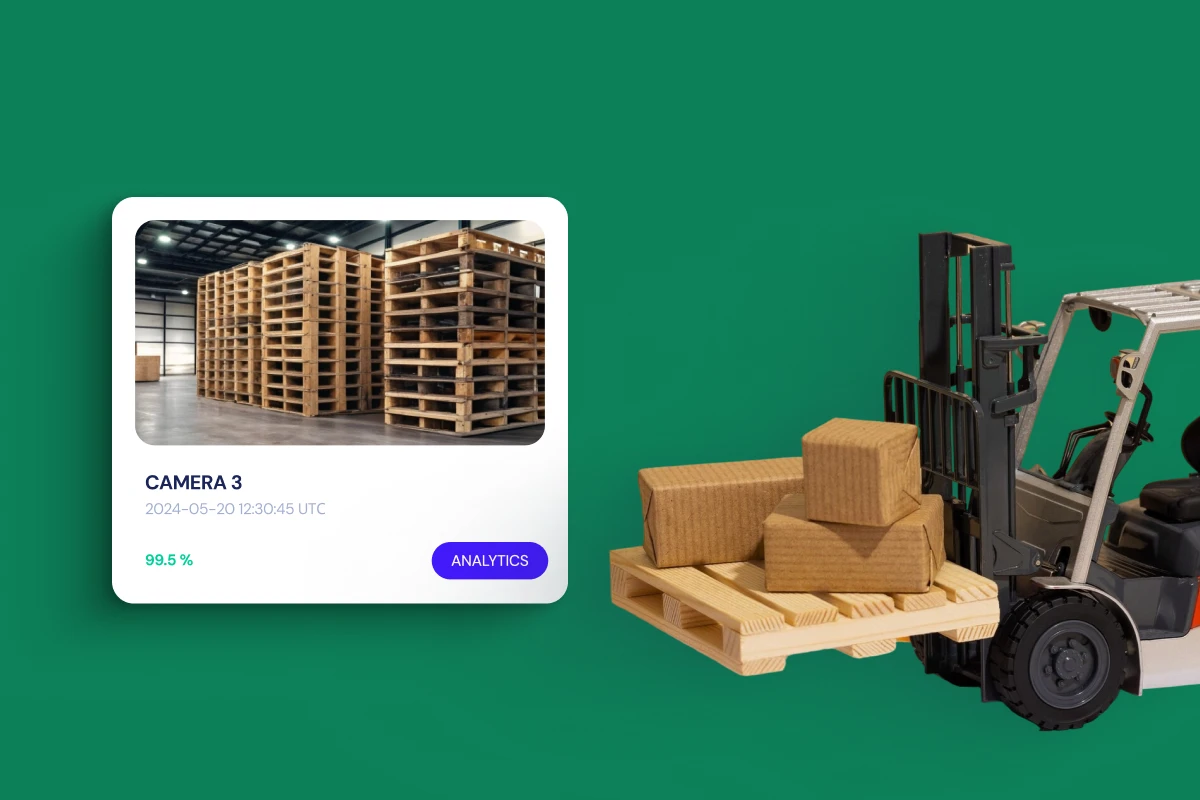
Offline computer vision system for automated pallet counting using edge AI.

Modernized retail corporate system with optimized warehouse processes and enhanced efficiency.
Modernized warehouse management platform rebuilt on modern tech stack for scalability.

Modernized Shopify app with enhanced stability, performance, and engagement.
Last updated