High-Accuracy Model
The model achieved a 95% accuracy rate in pallet counting, meeting the client's requirements.
Azati developed an offline computer vision system for automated pallet counting in a warehouse using an edge device. The solution leveraged machine learning and object detection to replace manual counting, achieving high accuracy and operational efficiency without internet access.
accuracy in detecting and counting pallets under real warehouse conditions
faster counting throughput vs manual process
reduction in human labor hours for inventory audits


The client spent significant time manually counting 200–300 pallets daily, which was slow and prone to errors. The project aimed to automate this process with a computer vision system running offline on an edge device, capable of handling cluttered pallets and multiple camera feeds in real-time. This solution reduced human errors, saved time, and ensured reliable inventory tracking with scalability for future warehouse expansion.
The warehouse had limited or no internet connection, which meant the system had to run entirely on a local device. The client needed fast, reliable pallet counting without relying on the cloud. We optimized a deep learning model to run on an NVIDIA Jetson, using CUDA, cuDNN, and TensorRT for hardware acceleration, so the system could process video streams and count pallets in real-time right on the edge device.
Pallets in the warehouse were often stacked irregularly or overlapping, making them hard to detect and count accurately. Manual counting was slow and error-prone. To solve this, we used YOLOv8 for object detection, OpenCV for preprocessing, and DeepSORT for tracking, enabling the system to reliably recognize and track pallets even in messy and complex arrangements.
We started by carefully studying the client's warehouse operations and the challenges of manual pallet counting. By observing current workflows and assessing the scale of the task, we proposed a solution based on computer vision and machine learning that could automate counting while ensuring high accuracy and offline operation.
The project followed an Agile methodology, allowing our team to develop iteratively, get feedback quickly, and continuously improve the system. This flexible approach ensured that we could adapt the model and system design as we learned more about real-world conditions in the warehouse.
We collected 300–400 images daily from multiple cameras in the warehouse to train the deep learning model. By using real data from the client's environment, we ensured that the model could accurately detect and count pallets even under different lighting conditions, camera angles, and cluttered arrangements.
We configured the NVIDIA Jetson edge device to process video streams locally, using GStreamer for efficient decoding and stream handling. This setup allowed the system to run completely offline, meeting the client's requirement for autonomous operation without any internet connection.
Once training was complete, we optimized the model using ONNX Runtime for faster inference on the edge device. The system was then deployed to count pallets in real-time, providing accurate, consistent results while freeing warehouse staff from manual counting and ensuring scalability for future needs.
Bring your complexity. We'll bring the plan. Select a convenient slot to start a conversation with our experts.
Schedule a callPerforms fully autonomous pallet counting without any internet connection, running entirely on an edge device. Handles video streams from multiple cameras and processes images in real-time to detect and count pallets accurately.
Detects pallets in complex and cluttered warehouse environments using YOLOv8, and tracks them reliably with DeepSORT to ensure accurate counts even when pallets overlap or move.
Optimizes the trained model for fast inference on edge devices using ONNX Runtime and TensorRT, ensuring efficient GPU utilization and consistent real-time performance.
Provides a flexible system design that allows for adding more cameras, expanding warehouse areas, or updating the detection model without affecting existing operations.
The model achieved a 95% accuracy rate in pallet counting, meeting the client's requirements.
The solution runs entirely offline on the NVIDIA Jetson device, eliminating the need for an internet connection.
Automation saved significant time for warehouse employees, reduced human error, and enhanced overall operational efficiency.
The solution is easily adaptable and scalable, with the ability to update the model as needed for future improvements.

1.5 years of Adobe AEM support and full DAM vendor migration for a 30K+ employee beverage company — 10,000+ assets migrated with 100% metadata integrity and a reusable pipeline extensible to all regional markets.

AI-managed support automation built on Zendesk and Confluence that reduced ticket load, improved CSAT, and scaled operations without new hires.

Modernized retail corporate system with optimized warehouse processes and enhanced efficiency.
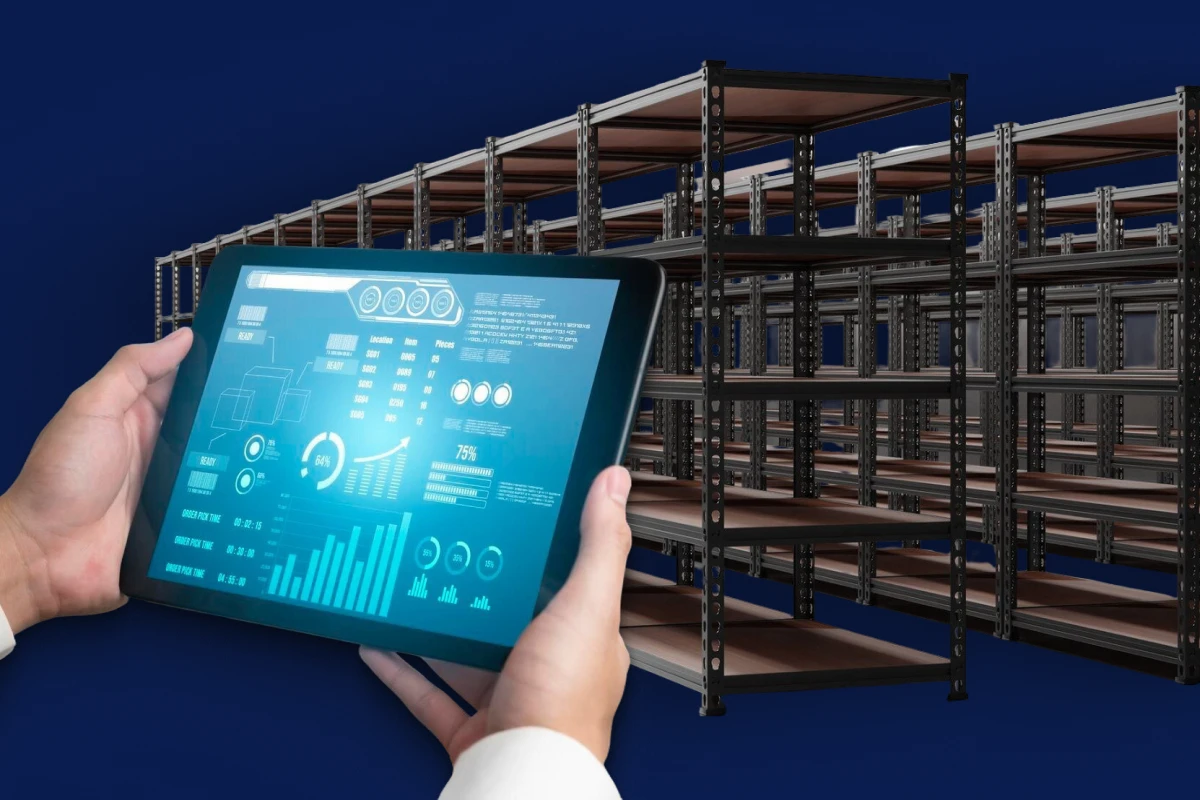
Modernized warehouse management platform rebuilt on modern tech stack for scalability.

Modernized Shopify app with enhanced stability, performance, and engagement.
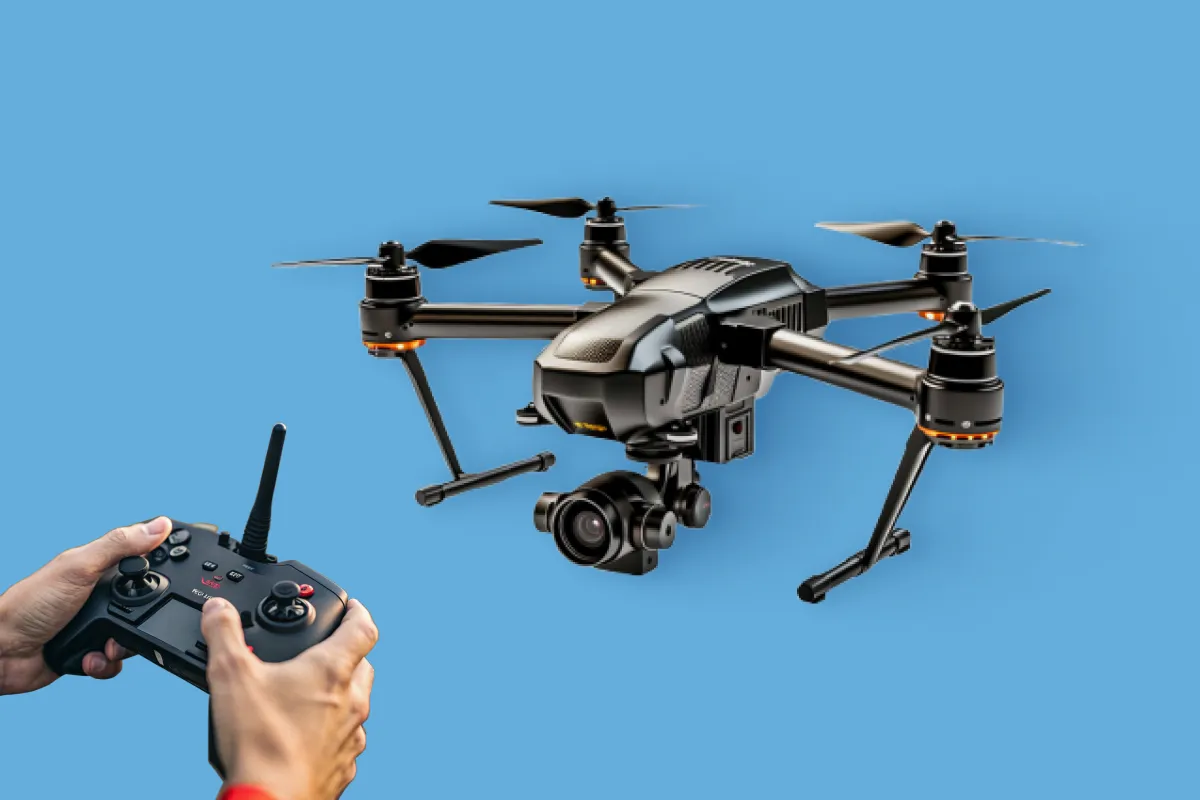
Web platform for drone ordering, rental, and repair services.
Last updated