Increased System Performance
The system significantly improved the speed of goods flow processing, which accelerated warehouse processes and reduced operational time costs.
Azati partnered with a large retail company to modernize and optimize various components of their internal system, aiming to increase operational efficiency and system reliability. The project focused on streamlining warehouse processes, especially goods receiving operations, integrating with other business functions, and improving user interfaces for managing roles, access, and data processing.
reduction in goods receiving processing time
improvement in data handling efficiency for large datasets
reduction in manual administrative actions


The primary goal of this project was to modernize the corporate system to improve warehouse efficiency, with a focus on goods receiving and data processing. Additionally, Azati worked on enhancing microfrontend development, user role management, large data set processing, and BFF API development for seamless interaction between different company services.
The client needed an updated microservices architecture to comply with new business processes and improve system performance. Azati modernized the architecture to handle higher loads and support evolving business needs.
The existing Camunda workflows needed optimization for better performance and faster warehouse operations. Azati reworked these workflows to automate and integrate them more effectively with other systems.
The integration of new functions into the system across multiple locations was critical. Azati collaborated with cross-functional teams to ensure smooth deployment and ongoing support at five different locations.
The system needed a layer optimized for frontend interactions to ensure quick and easy access to data from multiple sources. Azati developed a BFF API optimized for frontend interactions, enabling seamless data retrieval.
The system required a more intuitive interface for managing roles and permissions. Azati developed easy-to-use tools to simplify access control and administration.
Existing tools for managing large datasets were inefficient and complex. Azati optimized the data sorting and filtering functionalities and integrated new interface solutions to improve user experience.
We focused on a holistic approach, combining backend and frontend work to achieve all project objectives. It was crucial to ensure not only technical stability but also user-friendliness. Our collaboration with various parts of the project allowed us to create a powerful, integrated system that met all client requirements.
We ensured system stability and reliability through backend architecture updates, which included the introduction of new features and compliance with regulatory standards. This allowed the system to handle high loads and continue to operate efficiently under rapidly changing business requirements.
Testers played a key role in ensuring system quality, participating actively at all stages of development. They conducted comprehensive testing, including load tests, functional checks, and security assessments, to guarantee flawless operation and stability during exploitation.
We designed and expanded microservices to meet updated regulatory requirements. We modified workflows in Camunda to align with updated business processes. Additionally, we collaborated with cross-functional teams to integrate and align functionality across the system.
Our team participated in weekly level 3 support rotations and provided extensive support during product deployment across new locations.
We deployed the system to five locations, including full WMS product deployment at two sites and complete replacement of third-party modules at three sites.
On the frontend side, we ensured an intuitive and user-friendly interface. We focused on UI design and development, implementing new functional elements and ensuring efficient interaction with the backend.
We developed and maintained internal projects for assortment management and administrative tasks. We configured build settings using Webpack Module Federation for integration into two different parent portals/applications. We also wrote unit tests using Jest and created a UI kit for cross-team usage.
Bring your complexity. We'll bring the plan. Select a convenient slot to start a conversation with our experts.
Schedule a callRedesigned and modernized backend microservices to enhance scalability, modularity, and reliability. Each service was refactored for independent deployment, high-load handling, and easier integration with future modules, ensuring a flexible system that grows with business needs.
Streamlined warehouse and goods receiving workflows using Camunda, automating repetitive tasks, improving workflow visibility, and reducing bottlenecks. The optimized processes allow real-time tracking, faster decision-making, and more efficient warehouse operations.
Developed a dedicated Backend-for-Frontend API to optimize interactions between the frontend and multiple backend services. The BFF layer improves performance by aggregating data, reducing redundant calls, and simplifying complex queries, enabling a faster and smoother user experience.
Enhanced the user interface and functionality for managing roles, permissions, and access across the system. This module provides administrators with intuitive tools to assign, modify, and audit user rights, reducing errors and streamlining access control.
Optimized processing, filtering, and visualization of large inventory and operational datasets. This module ensures smooth performance even with heavy data loads and provides tools for fast searching, sorting, and analysis, enhancing operational efficiency and decision-making.
The system significantly improved the speed of goods flow processing, which accelerated warehouse processes and reduced operational time costs.
Optimizing goods receiving processes reduced the time required for product verification and placement in the warehouse, increasing overall operational efficiency.
Deploying the system across new locations with full replacement of third-party modules and implementation of new technologies ensured the system's stability and reliability, enabling the company to scale its operations with confidence.
The tight integration of the system with other business processes improved collaboration across departments, ensuring smoother and more efficient company operations.
Azati laid the foundation for future system improvements, enabling the company to flexibly adapt to business changes, support new modules, and optimize logistics and warehouse operations as needed.

1.5 years of Adobe AEM support and full DAM vendor migration for a 30K+ employee beverage company — 10,000+ assets migrated with 100% metadata integrity and a reusable pipeline extensible to all regional markets.

AI-managed support automation built on Zendesk and Confluence that reduced ticket load, improved CSAT, and scaled operations without new hires.
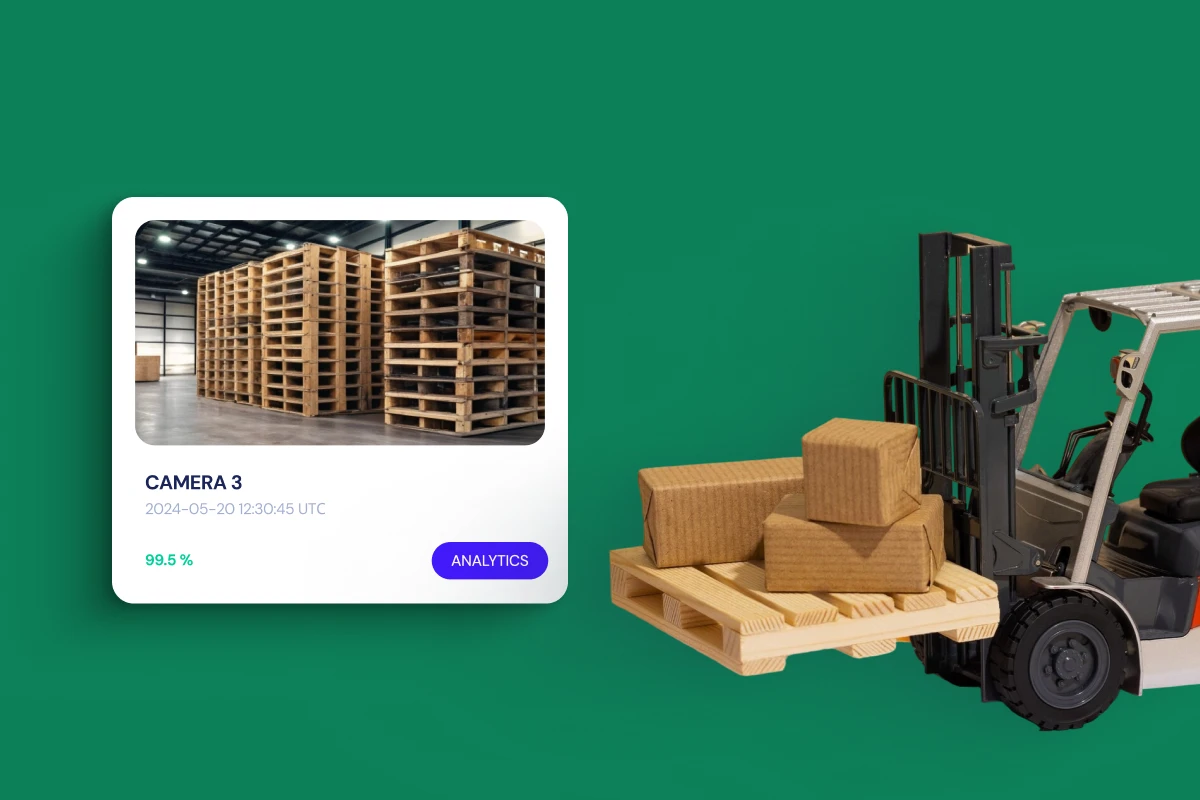
Offline computer vision system for automated pallet counting using edge AI.
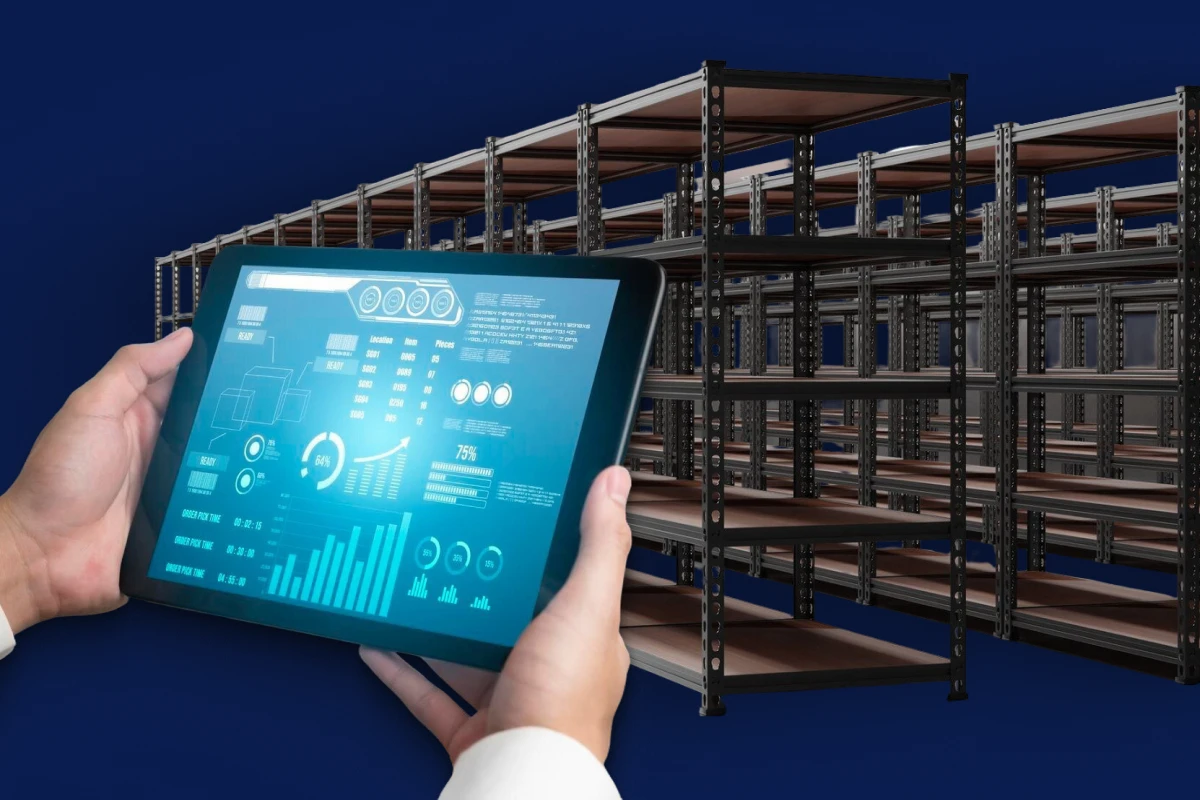
Modernized warehouse management platform rebuilt on modern tech stack for scalability.

Modernized Shopify app with enhanced stability, performance, and engagement.

Web platform for drone ordering, rental, and repair services.
Last updated