Reduced Agent Workload
62% of L1 tickets resolved without agent involvement, freeing the team to handle a 35% volume increase without adding headcount.
AI orchestration layer for banking workflows that automates claims and loan amendment processing across legacy systems while ensuring compliance and human oversight.
of L1 tickets resolved without agent involvement
reduction in average handling time
CSAT improvement within 90 days


The client’s support team handled 8,000+ tickets per month, up 40% YoY, without insight into ticket drivers or AI opportunities. Response times were slipping, CSAT was 61% and declining, and adding headcount was becoming unsustainable. Existing tools like Zendesk and Confluence were underutilized. Azati conducted a two-week As-Is assessment to uncover the real issues, shaping the solution that followed.
What looked like a staffing problem was actually process inefficiency: 60% of incoming tickets were repetitive L1 queries answerable from existing documentation. Agents spent most of their time on non-judgment work, retrieving and formattin, rather than tasks requiring expertise. The solution wasn’t more people; it was removing the right work from their queue.
The client's Confluence instance held 2,400 articles, but agents rarely referenced it. Content was inconsistently structured, partially outdated, and not organized for retrieval. Direct LLM integration without restructuring produced hallucinations at an unacceptable rate. Before any AI could work reliably, the knowledge foundation had to be rebuilt.
There were no defined criteria for what constituted an L1 versus L2 ticket. Senior agents were pulled into simple queries. Critical enterprise issues sometimes sat in the general queue. Zendesk reports showed volume and CSAT, but nothing about which categories drove the most cost, which had the highest re-open rate, or where knowledge gaps were causing errors.
The client had no dedicated AI engineering team. Any system deployed without ongoing management would degrade within weeks as the product evolved, new features, pricing changes, updated policies. A one-time implementation was not an option. Managed operations had to be the model from day one.
Azati spent the first two weeks in assessment mode, auditing ticket data, interviewing agents, reviewing the Confluence knowledge base, and mapping the full support workflow. The output was a clear picture of where time was being lost, what could be automated, and what the AI layer needed to do to deliver measurable impact.
Rather than propose a new platform, Azati designed a To-Be architecture that extended the client's existing investment. Confluence content was restructured and embedded into a vector store for RAG. AI responses and routing decisions were written back to Zendesk via API, agents saw AI assistance inside the tool they already used. Zero workflow disruption, zero retraining.
The To-Be system operates on three tiers: high-confidence queries trigger automated responses, medium-confidence queries surface a drafted reply for one-click agent approval, low-confidence and sensitive topics escalate immediately with an AI-generated context summary. The system was designed to know what it didn't know.
Go-live was not the end of the engagement. Azati proposed, and the client accepted, a managed operations model from the start. Azati owns the AI layer continuously: maintaining knowledge quality, monitoring hallucination rates, optimizing token costs, and expanding automation coverage as the product evolves.
Bring your complexity. We'll bring the plan. Select a convenient slot to start a conversation with our experts.
Schedule a callAzati audited all 2,400 Confluence articles, archived outdated content, restructured remaining articles for retrieval quality, and embedded the knowledge base into a Pinecone vector store optimized for support query patterns. An automated sync pipeline keeps the knowledge base current as new documentation is published.
Intelligent ticket classification across 40+ categories, confidence-based routing, and AI response generation, all surfaced natively inside Zendesk. Agents interact with AI suggestions in the tool they already use, with no interface change.
All AI activity is written back to Zendesk in real time, suggested replies, ticket tags, routing decisions, escalation notes. No parallel systems. No change to existing agent workflow.
Azati runs the AI layer on an ongoing basis under a defined SLA. Weekly hallucination sampling, monthly CSAT and cost analysis, quarterly knowledge audits, and regular expansion of automation coverage to new ticket categories, all reported to the client's Customer Operations Director.
62% of L1 tickets resolved without agent involvement, freeing the team to handle a 35% volume increase without adding headcount.
First response time on automated tickets dropped to under 3 minutes. Agent handling time on assisted tickets reduced 44% through AI-generated context and suggested replies.
CSAT improved 18 points within the first 90 days, driven by response consistency and dramatically faster resolution on common queries.
AI compute costs running 40% below initial projections through active model routing and caching management maintained by Azati.
Automation coverage grew from 12 ticket categories at launch to 31 categories by month nine, without additional implementation budget. Every month of managed operations expanded the ROI.
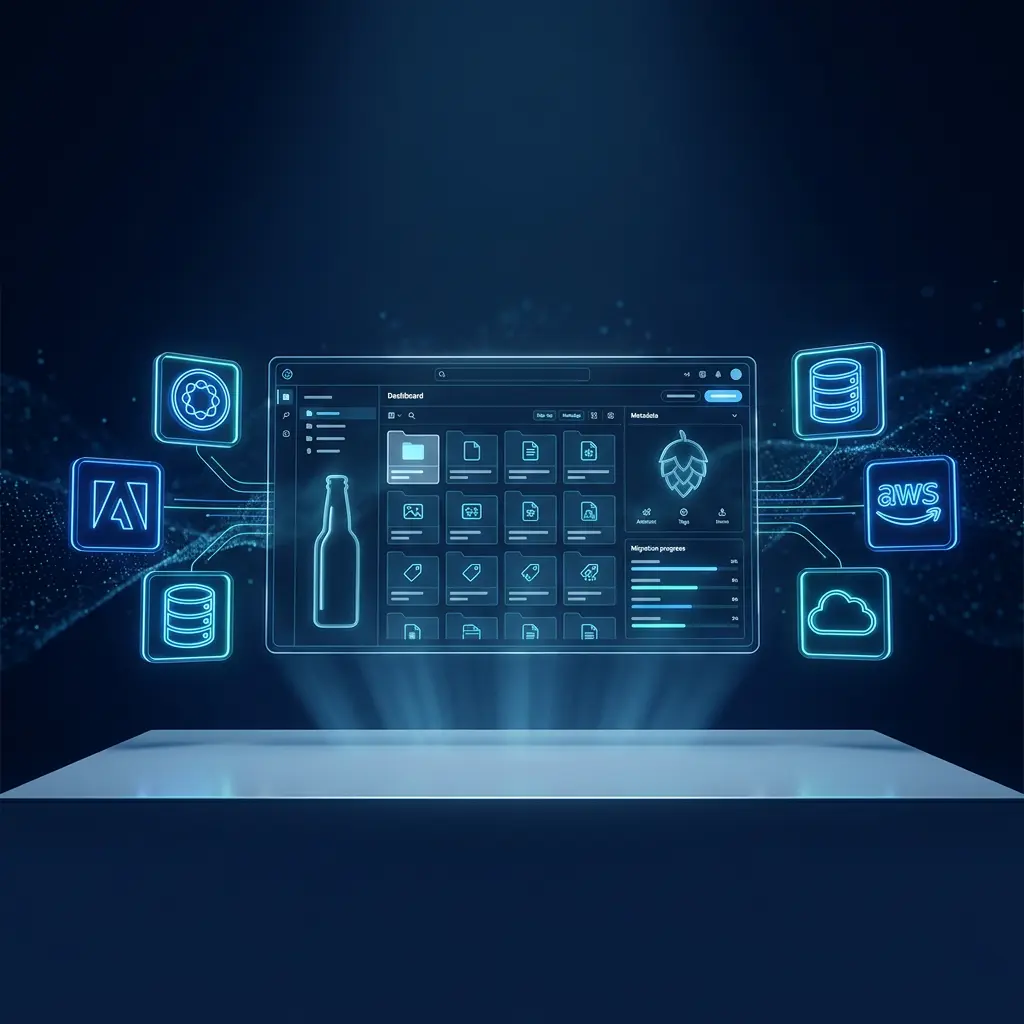
Adobe AEM support and full DAM migration for a global beverage enterprise: 10,000+ assets transferred with 100% metadata integrity in under 2 months.
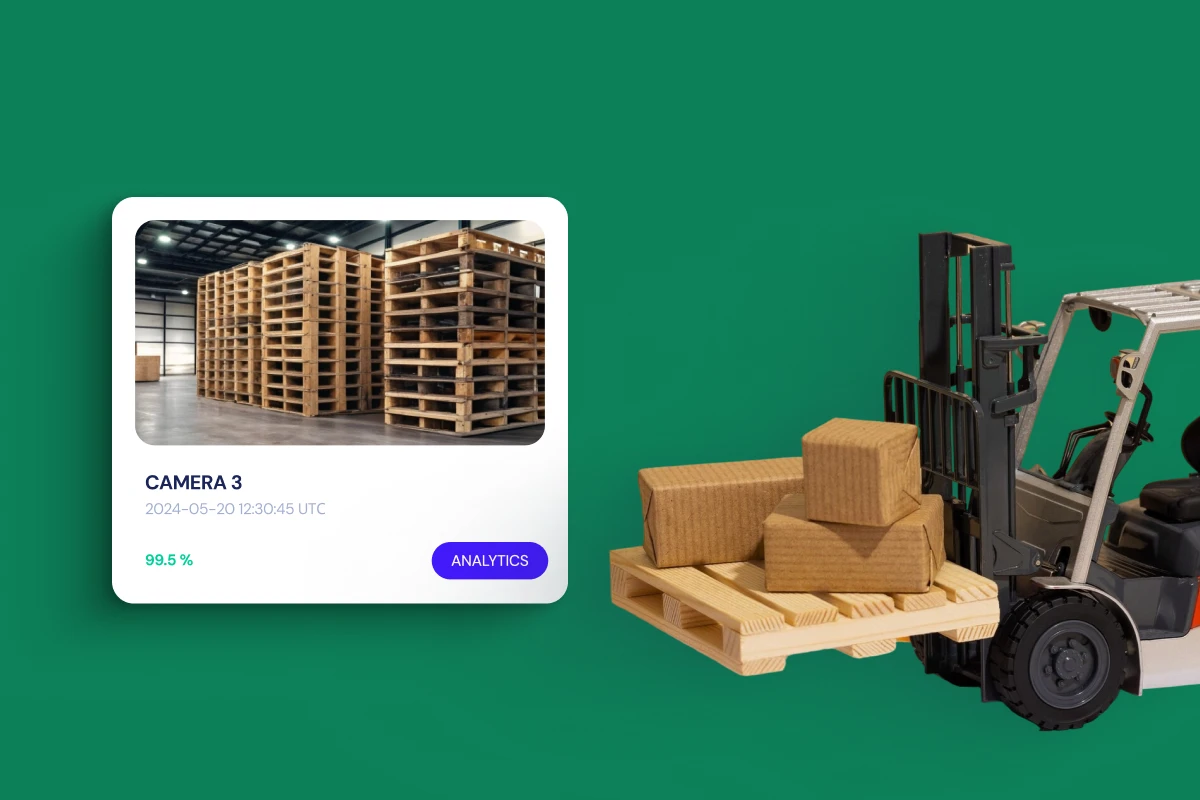
Offline computer vision system for automated pallet counting using edge AI.

Modernized retail corporate system with optimized warehouse processes and enhanced efficiency.
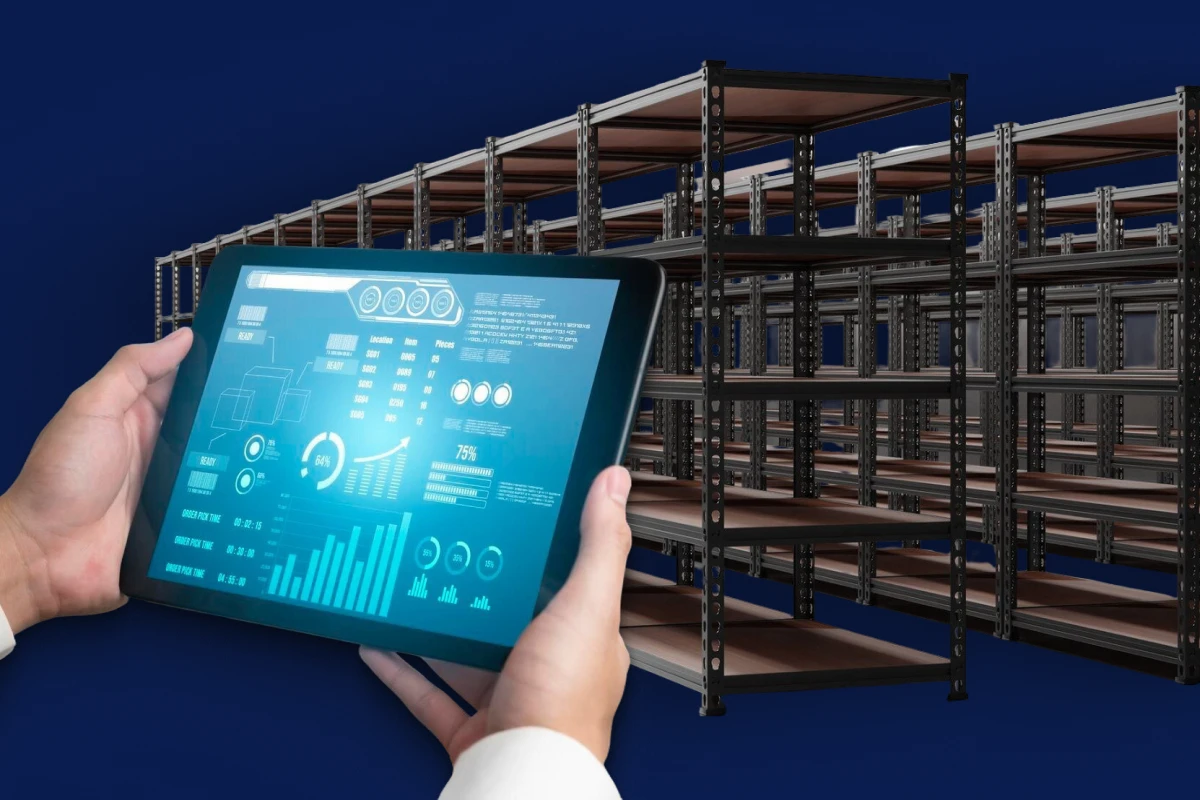
Modernized warehouse management platform rebuilt on modern tech stack for scalability.

Modernized Shopify app with enhanced stability, performance, and engagement.

Web platform for drone ordering, rental, and repair services.
Last updated